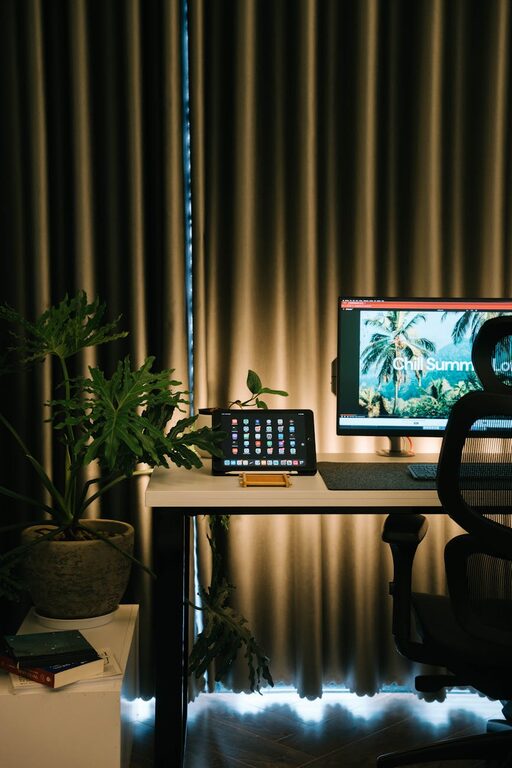
Creating a cozy and inviting home office space is essential for feeling motivated and comfortable while working from home. Whether you have a dedicated room or just a small corner, the right setup can dramatically improve your mood and productivity. In this post, we’ll explore practical tips to help you design a workspace that feels both functional and welcoming.
Choose the Right Location
Consider Natural Light
One of the most important factors for a pleasant home office is natural light. Try to set up your desk near a window if possible. Natural light helps reduce eye strain and improves your overall well-being. If natural light is limited, invest in good quality lighting that mimics daylight.
Minimise Distractions
Select a quiet spot away from household traffic. If noise is an issue, noise-cancelling headphones or a white noise machine can help. A dedicated space, even a small nook, signals your brain it’s time to work.
Invest in Comfortable Furniture
Ergonomic Chair
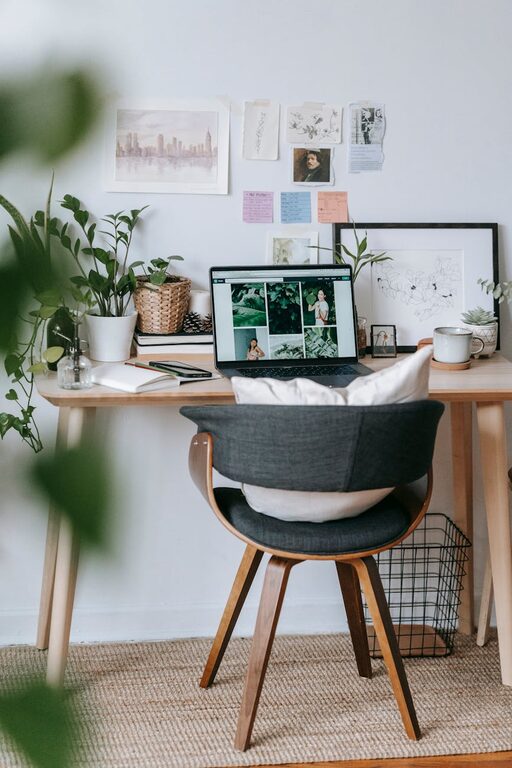
Comfort is key during long work hours. Choose an ergonomic chair that supports your back and encourages good posture. Adjustable height and lumbar support features make a big difference.
Functional Desk
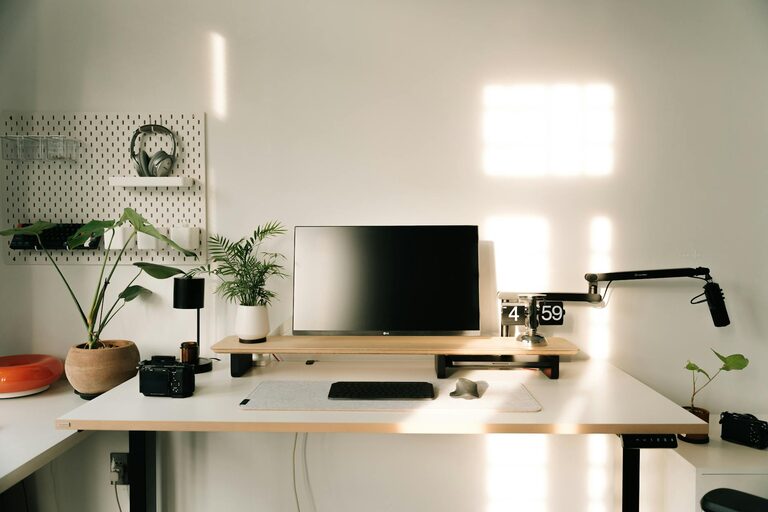
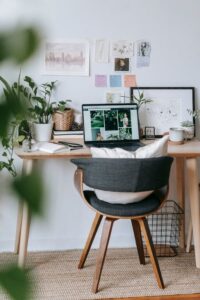
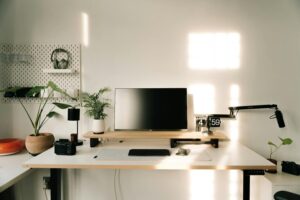
Your desk should suit your work style. A spacious surface allows room for your computer, planners, and personal items without feeling crowded. Standing desks or adjustable desks offer flexibility.
Add Personal and Soothing Touches
Warm Colours and Textures
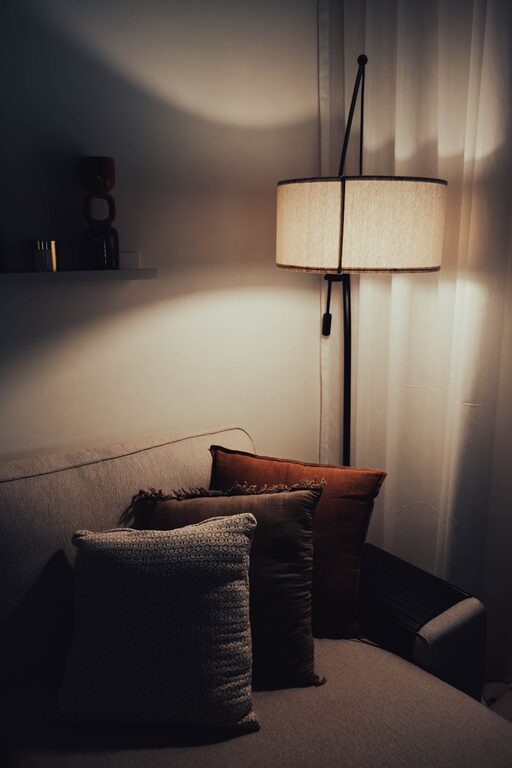
Colour psychology plays a role in creating a cozy vibe. Warm tones like soft beige, muted orange, or gentle greens promote calmness and focus. Incorporate comfortable textiles such as a plush rug, cushions, or curtains.
Greenery and Natural Elements
Plants bring life into your workspace and improve air quality. Even small succulents or a vase of fresh flowers can brighten your desk. Natural elements like wooden accessories or stone planters add warmth.
Organise Smartly
Declutter Regularly
A tidy workspace reduces stress and enhances productivity. Use storage solutions like shelves, baskets, or filing cabinets to keep essentials organised. Limit what stays on your desk to only necessary items.
Cable Management
Messy cables distract and reduce your office’s neat appearance. Use cable clips, sleeves, or under-desk trays to keep wires out of sight.
Use Lighting Thoughtfully
Layer Your Lighting
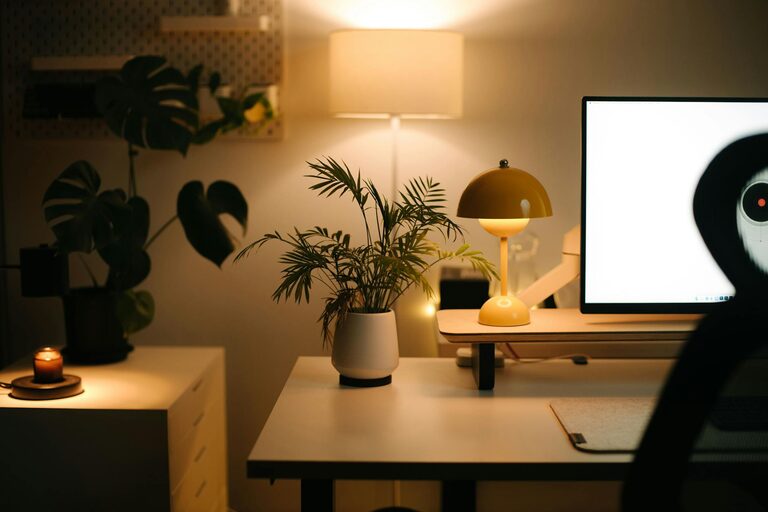
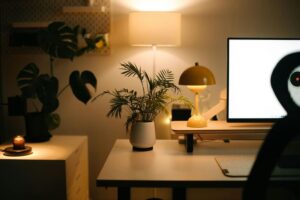
Combine ambient lighting with task lighting. Overhead lights provide general illumination, while desk lamps offer focused light for reading or typing. Adjustable lamps help reduce glare.
Soft and Warm Bulbs
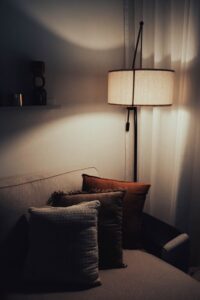
Avoid harsh fluorescent lighting when possible. Warm LED bulbs create a softer, more welcoming atmosphere that is easier on the eyes.
Incorporate Inspirational and Motivational Elements
Display Personal Mementos
Photos, artwork, or quotes that inspire you can boost your mood and motivate creativity. Change these regularly to keep the space fresh.
Vision Board or Planner
Having a vision board or planner visible helps you stay focused on goals and deadlines. It also personalises your space.
Pay Attention to Acoustics
Soft Furnishings Absorb Sound
Adding rugs, curtains, or upholstered furniture helps reduce echo and outside noise. This is especially helpful in open or shared spaces.
Background Music
Some people find gentle music or nature sounds improve concentration. Experiment to find what works best for you.
Maintain Comfort and Wellbeing
Temperature Control
Ensure your office space is neither too hot nor too cold. Small fans or heaters can help regulate temperature for maximum comfort.
Regular Breaks and Movement
Set reminders to stand up, stretch, or take short walks. A comfortable space encourages longer work sessions but balance is important.
—
Creating a cozy and inviting home office is about balancing comfort, functionality, and personal style. With thoughtful choices in lighting, furniture, organisation, and decor, you can craft a workspace that feels welcoming and inspires productivity every day. Start with small changes and enjoy the transformation of your home office into a place you love spending time.