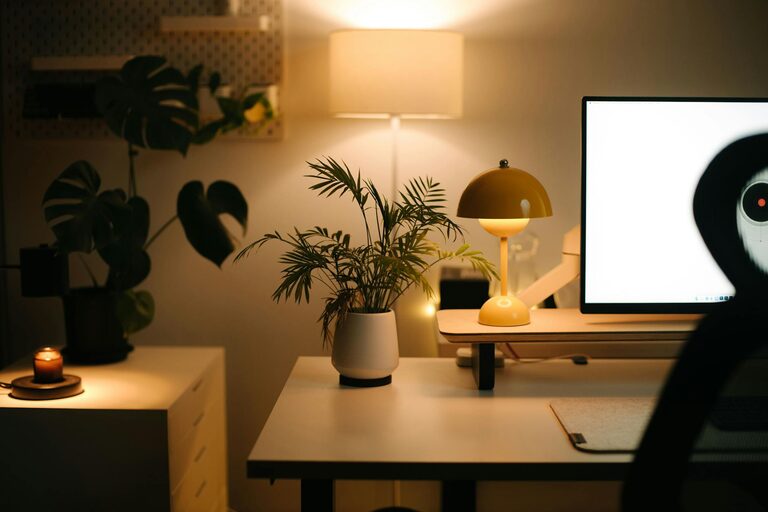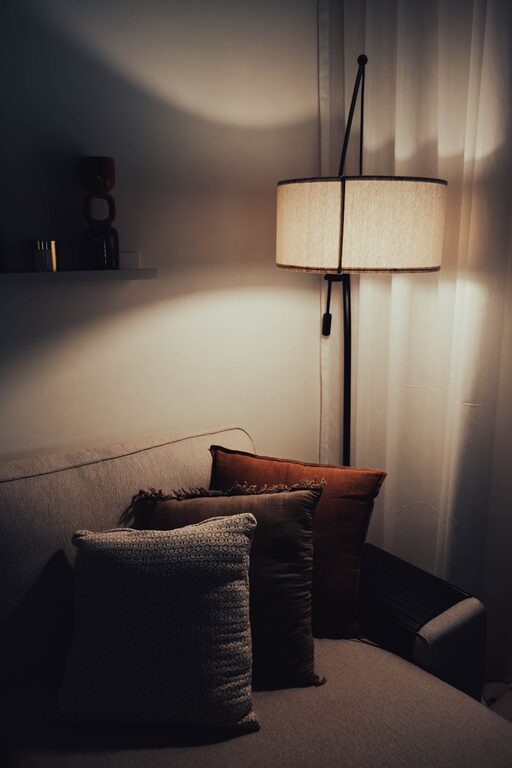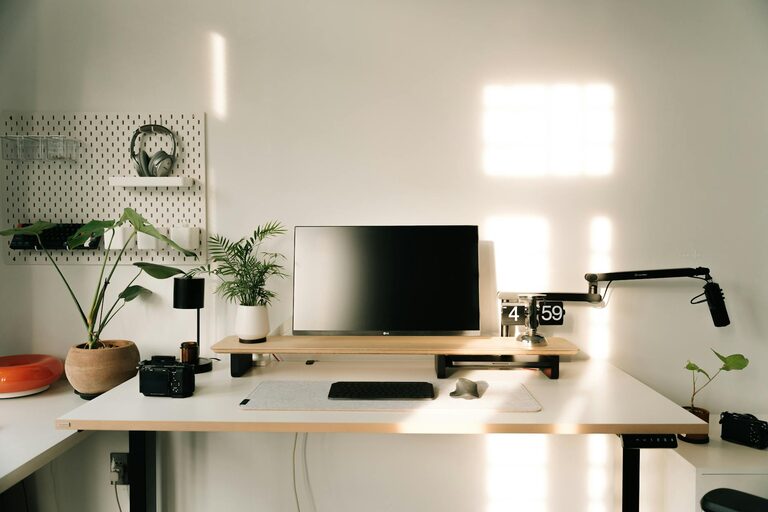
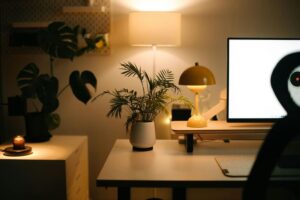



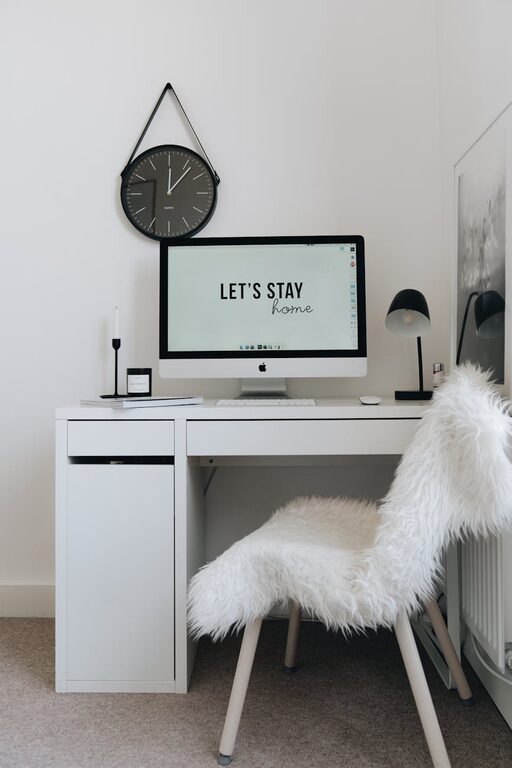
Creating a home office that feels cozy and functions well is essential for anyone working from home or simply needing a dedicated space for tasks. A well-designed workspace can improve focus, reduce stress, and make working from home a pleasure rather than a challenge.
In this post, we’ll explore actionable tips to help you create a home office that supports your productivity while feeling warm and inviting. Whether you have a spare room or just a small corner, these ideas can be adapted to fit your space.
1. Choose the Right Location
Consider Natural Light
Natural light not only brightens the room but also helps to reduce eye strain and boost your mood. If possible, position your desk near a window. This setup allows you to enjoy daylight and occasional views of the outdoors.
Minimize Distractions
Pick a spot away from noisy areas like the kitchen or living room TV. A quiet and peaceful environment is key for focus.
Measure Your Space
Make sure your chosen location can comfortably fit essential furniture and equipment without feeling cramped.
2. Invest in Comfortable and Functional Furniture
Ergonomic Chair
A good chair supports your back and promotes good posture. Look for adjustable chairs to customize height and lumbar support.
Spacious Desk
Choose a desk with enough surface area to hold your computer, accessories, and some workspace. Consider desks with built-in storage if space is limited.
Flexible Seating Options
If space allows, add a secondary chair or a small sofa for breaks or informal meetings.
3. Prioritize Organization and Storage
Declutter Regularly
Keep only necessary items on your desk. Clutter can distract and create stress.
Use Shelving and Cabinets
Shelves and cabinets help keep files, books, and office supplies organized and within reach.
Drawer Dividers and Boxes
These keep smaller items like pens, paper clips, and chargers neat and easy to find.
4. Personalize Your Space
Add Plants
Indoor plants improve air quality and add a touch of nature, making the space feel more alive and relaxing.
Use Artwork and Decor
Choose calming art or inspirational quotes to decorate walls. Personal photos or souvenirs can create a familiar and positive environment.
Select a Soothing Color Palette
Soft, neutral colors can create a peaceful atmosphere. You can also add pops of colour with accessories like cushions or rugs.
5. Improve Lighting
Combine Ambient and Task Lighting
A bright overhead lamp paired with a desk lamp ensures adequate lighting. Adjustable desk lamps help reduce glare and eye fatigue.
Avoid Harsh Lighting
Use bulbs with a warm tone to create a cozy feeling instead of harsh white lights.
6. Ensure Proper Technology Setup
Reliable Internet Connection
A stable internet connection is fundamental for remote work and virtual meetings.
Cable Management
Use clips or a cable organizer to keep cords tidy and prevent tangling.
High-Quality Equipment
Invest in a good monitor, keyboard, and mouse to make long working hours more comfortable.
7. Introduce Comfort Elements
Soft Textiles
Add a rug under the desk or a cushion on your chair for extra comfort.
Temperature Control
If possible, adjust your room temperature with a fan, heater, or thermostat to avoid being too hot or cold.
Noise Control
Use noise-cancelling headphones or add soft furnishings like curtains or rugs to absorb sound.
8. Create a Routine-Friendly Environment
Designate Zones
If your home office is multi-functional, use rugs or furniture placement to clearly separate work from relaxation areas.
Keep Essentials Close
Place frequently used items within arm’s reach to reduce unnecessary movement and distractions.
Maintain Regular Breaks
Set a reminder to stand, stretch, or briefly change rooms. This supports productivity and well-being.
—
By carefully planning your home office, you can create a space that is both inviting and efficient. Remember, the best home office reflects your personal style and meets your work needs. Experiment with these tips and tailor them to your lifestyle for a space you enjoy spending time in every day.